
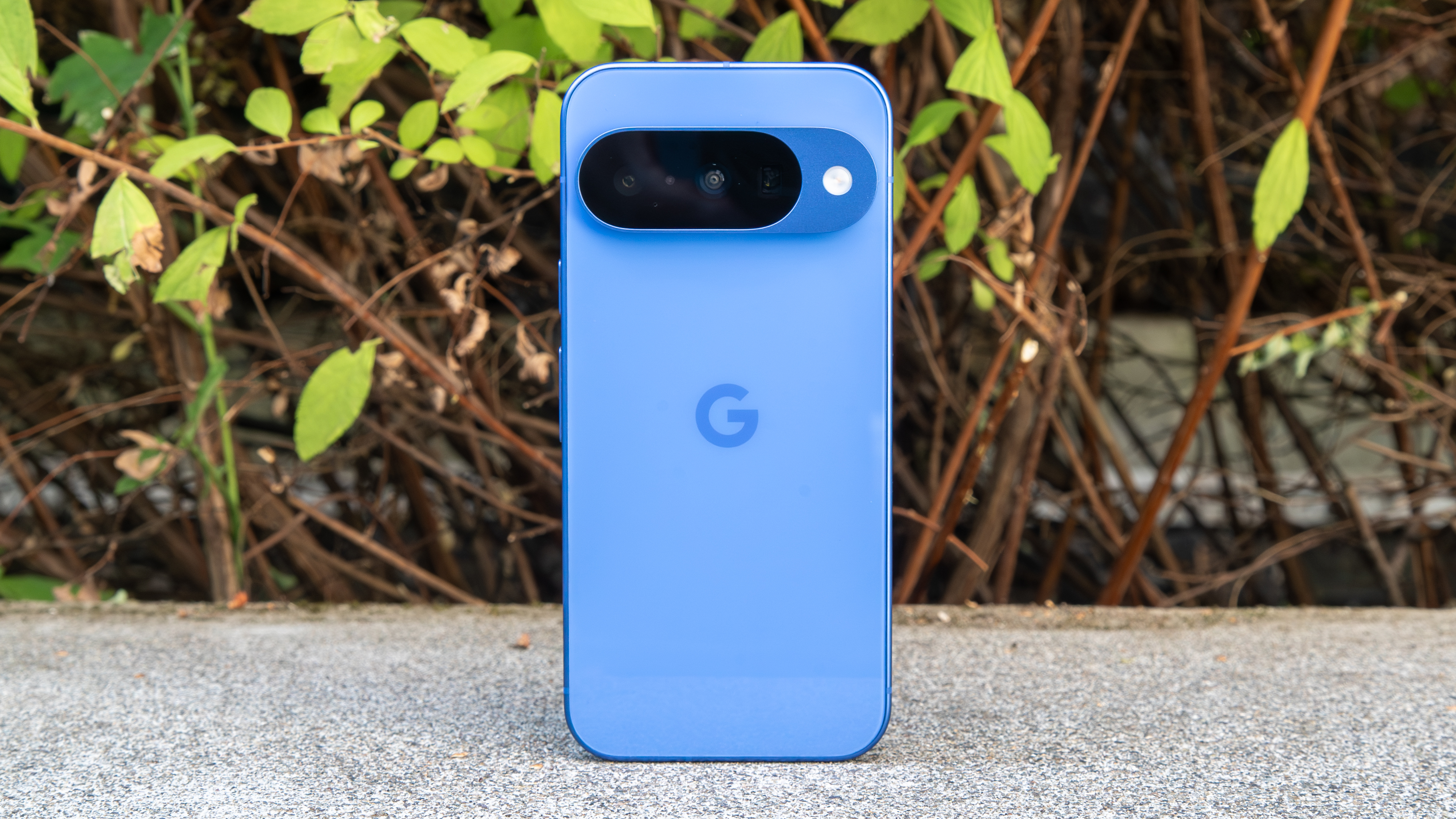
Rumors surrounding Google's future flagship, the Pixel 10, indicate a dramatic pivot in the company's silicon strategy, focusing almost entirely on localized artificial intelligence. Sources within the supply chain suggest the forthcoming Tensor G5 chip is being engineered with a significantly enhanced Neural Processing Unit (NPU). This specialized hardware is dedicated primarily to handling sustained, complex generative AI workloads directly on the device.
The Shift to On-Device Intelligence
Unlike current systems that rely on cloud servers for intensive AI tasks, the enhanced NPU aims to deliver breakthrough capabilities in photography and daily use. This includes features that allow users to perform complex image edits, style transfers, and advanced photo manipulation locally without the need for an internet connection. By moving these processes away from the CPU and GPU, the Tensor G5 promises not only greater speed but also substantial improvements in power efficiency during AI operation.
Market Implications
This architectural focus positions the Pixel 10 as a key contender in the burgeoning "AI smartphone" market, directly challenging Apple's neural engine advancements and Samsung's Galaxy AI feature set. Analysts believe that this dedicated hardware push will unlock an entirely new ecosystem of AI-first mobile applications, solidifying Google's reputation as a software and machine learning innovator. The move confirms Google's strategy to use custom Tensor silicon as the primary differentiator for its Pixel line.